
October 7, 2026 · Madi Oleno
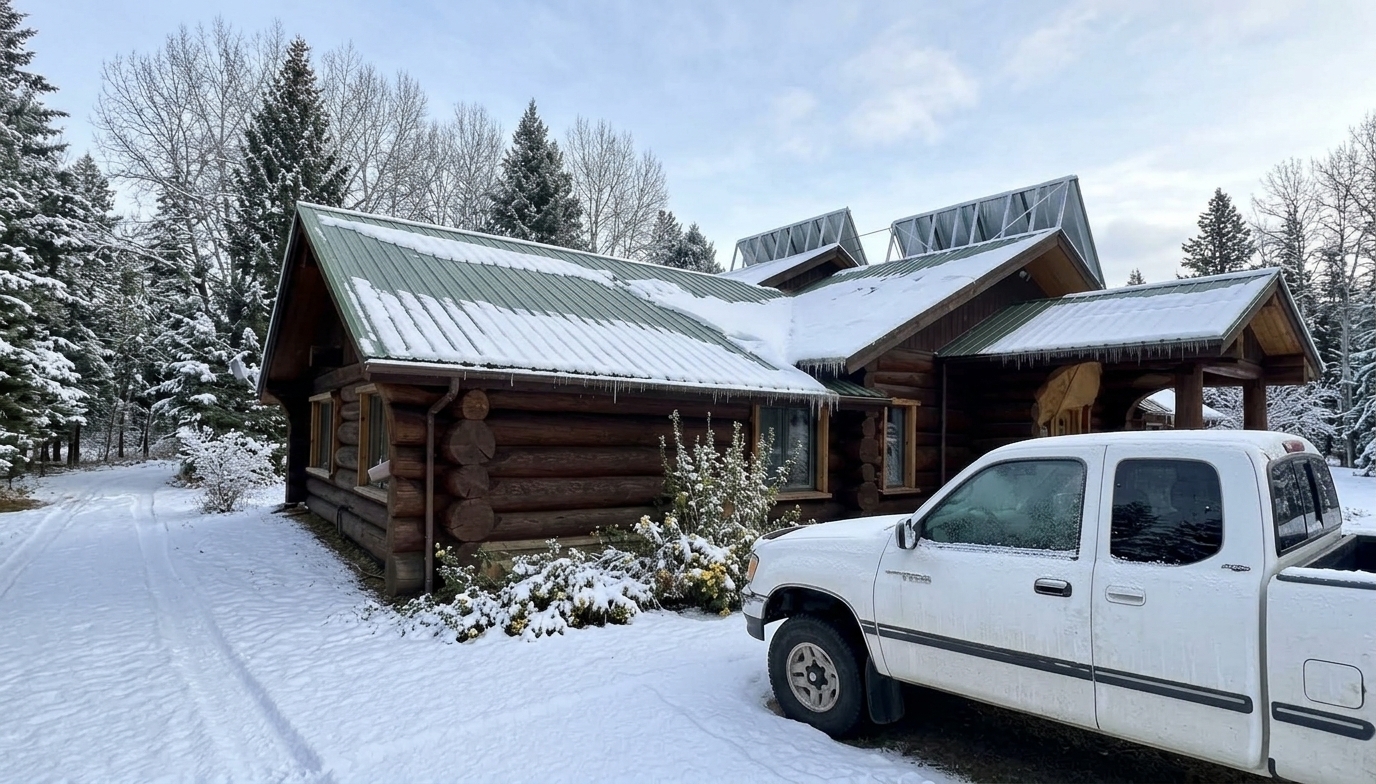
What Are Ice Dams and Why Do Mountain Homes Get Them?
Short answer: An ice dam is a ridge of ice that forms along the edge of a roof, usually at the eaves and gutters. Heat escaping from the house melts snow on the upper roof. That meltwater runs down and refreezes at the colder roof edge, building a dam that traps water behind it. The trapped water backs up under shingles or metal panels and leaks into the home.
Ice dams are one of the most common winter roof problems in Colorado's mountain region. Homes in Aspen, Snowmass, Vail, Basalt, Carbondale and Glenwood Springs face deep snowpack, long cold nights and sunny afternoons. That mix creates daily freeze-thaw cycles, which are exactly what ice dams feed on.
Rocky Mountain Gutters & Maintenance (RMG) has handled snow and ice control on Roaring Fork Valley roofs since 1990. This guide covers what causes ice dams, the warning signs of ice dam damage, how to remove ice dams safely, and the long-term ice dam prevention solutions that work on mountain homes.
What Causes Ice Dams on Mountain Roofs?
The main cause of ice dams is an uneven roof temperature. When the upper roof deck is above 32°F and the eaves are below freezing, snow melts up high and refreezes down low. Three things must be present: snow on the roof, heat reaching the roof deck, and cold roof edges.
The most common causes of ice dams we see on Colorado mountain homes:
- Heat loss into the attic. Gaps around light fixtures, attic hatches, chimneys and plumbing stacks let warm air leak into the attic and warm the roof deck.
- Poor attic ventilation. Without balanced soffit and ridge vents, warm air stays trapped under the roof instead of flushing out.
- Thin or uneven attic insulation. Older homes and cabins often fall short of the insulation levels mountain winters demand.
- Vaulted ceilings and cathedral roofs. Timber-frame and luxury mountain homes often have little or no air space between living areas and the roof, so heat transfers straight to the roof deck.
- Freeze-thaw cycles. High-altitude sun warms roofs during the day, then temperatures drop well below freezing at night.
- Clogged or frozen gutters. Gutters packed with pine needles, aspen leaves or ice give meltwater nowhere to go, so it refreezes at the roof edge.
- Complex rooflines. Valleys, dormers and roof-to-wall transitions collect deep snow and concentrate meltwater.
- North-facing and shaded eaves. Roof edges that never see sun stay colder longer, so ice builds there first.
So do ice dams mean your roof is bad? Not necessarily. Ice dams are usually an attic, insulation or drainage problem that shows up at the roof edge.
Warning Signs of Ice Dams and Ice Dam Damage
How do you know if you have an ice dam? Look for thick ice along the roof edge, large icicles hanging from gutters, and water stains on ceilings or exterior walls near the eaves. Icicles alone are not always a problem, but heavy icicles paired with a solid ice ridge usually mean an ice dam is forming.
|
Warning sign |
What it may mean |
Risk if ignored |
|---|---|---|
|
Thick ridge of ice at the eaves |
An active ice dam is holding back meltwater |
Water backs up under roofing and leaks inside |
|
Large icicles along gutters |
Meltwater is refreezing at the roof edge |
Falling ice injures people or damages property |
|
Water stains on ceilings near exterior walls |
An ice dam roof leak has already started |
Drywall damage, rot and mold |
|
Damp or frosty attic sheathing |
Warm, moist air is reaching the roof deck |
Rotted roof decking and attic mold |
|
Gutters sagging or pulling away |
Ice weight is overloading gutter hangers |
Bent gutters, torn fascia, gutter replacement |
|
Peeling paint or stained siding below eaves |
Water is running behind the gutters |
Fascia rot and siding damage |
|
Bare roof strips above the eaves with snow elsewhere |
Heat loss is melting snow from below |
More ice dams through the season |
The damage from ice dams often shows up weeks later. Wet insulation loses much of its insulating value, which makes the heat loss and the ice dams worse. Hidden moisture in walls and roof decking can lead to mold, rot and costly interior water damage repair.
How to Remove Ice Dams Safely
What is the safest way to remove an ice dam? Professional steam ice dam removal is the safest method for most roofs. Low-pressure steam melts channels through the ice without damaging shingles, metal panels or gutters. Chipping, hammering or using a pressure washer can crack shingles, dent metal roofing and void warranties.
Steam vs. Other Ice Dam Removal Methods
|
Method |
How it works |
Roof damage risk |
Best use |
|---|---|---|---|
|
Low-pressure steam |
Hot steam cuts through ice without force |
Low |
Active ice dams on shingle, metal and tile roofs |
|
Calcium chloride ice melt |
Melts a drainage channel through the dam |
Low to moderate |
Temporary relief until a pro arrives |
|
Roof rake from the ground |
Pulls snow off the lower roof |
Low to moderate |
Reducing snow load before ice forms |
|
Chipping or hammering |
Breaks ice apart by force |
High |
Not recommended |
|
Pressure washer |
High-pressure water blasts ice |
High |
Not recommended |
|
Rock salt (sodium chloride) |
Melts ice but corrodes metal |
High |
Not recommended on roofs or near plants |
Why DIY Ice Dam Removal Is Risky in the Mountains
Climbing an icy roof is dangerous anywhere. It is more dangerous on the steep pitches, tall eaves and multi-story homes common in Aspen, Snowmass and Vail. Falls from ladders and roofs are a real winter hazard, and sliding snow can knock you down without warning.
If you must act before help arrives, stay on the ground. Use a roof rake to remove snow from the lowest few feet of roof, and keep people and pets away from heavy icicles. Then call a professional ice dam removal service.
What If an Ice Dam Is Leaking Right Now?
- Move furniture and valuables away from the leak and catch dripping water.
- Turn off power to any light fixtures where water is coming through.
- Photograph the ice dam, the leak and any interior damage for your insurance claim.
- Call RMG at 970-945-8048 for ice dam help and roof leak repair.
How to Prevent Ice Dams: Long-Term Solutions for Mountain Homes
What is the best way to prevent ice dams? Keep the whole roof deck cold and give meltwater a clear path off the roof. That means sealing attic air leaks, adding insulation, balancing ventilation, and protecting the roof edge with the right materials. Heat cable and snow management help where design alone can't solve the problem.
1. Air Seal and Insulate the Attic
Stopping warm air from reaching the roof deck is the most effective ice dam prevention step. Seal gaps around recessed lights, attic hatches, chimneys and plumbing vents, then add insulation to recommended levels.
2. Balance Attic and Roof Ventilation
Continuous soffit intake paired with ridge exhaust keeps cold outside air moving under the roof deck. Vaulted and cathedral ceilings may need a vented roof assembly, often called a cold roof.
3. Install Ice and Water Shield at the Eaves
Self-adhered ice and water shield underlayment seals around fasteners and protects the roof edge, valleys and transitions from ice dam leaks. It is a standard part of any mountain roof replacement.
4. Upgrade to a Metal Roof
A standing seam metal roof sheds snow far better than asphalt shingles, so less snow sits on the roof to melt and refreeze. Metal roofing is also Class A fire-rated, which helps homeowners in Colorado's wildfire zones.
5. Add Snow Guards and Snow Retention
On metal roofs, snow guards and snow fences control sliding snow so it doesn't crush gutters, decks or people below. A well-planned snow retention layout works with your gutters and heat cable, not against them.
6. Use Heat Cable and Heated Gutters Where Needed
Self-regulating roof heat cable and heated gutters and downspouts keep a drainage path open on problem eaves. They are a targeted fix for north-facing roofs, valleys and complex rooflines.
7. Keep Gutters Clean and Sized for Snowmelt
Clean gutters before the first big snow and make sure downspouts are large enough to handle spring melt. Seamless gutters with heavy-duty hangers stand up to ice weight better than sectional gutters.
How RMG Helps Prevent Ice Dams
Gutters and snow-and-ice systems are where Rocky Mountain Gutters & Maintenance started. Our crews specialize in high-altitude, high-snow conditions across the Roaring Fork Valley. We fabricate seamless aluminum and copper gutters, heavy snow-and-ice systems, snow guards and snow fences in our Glenwood Springs metal shop, often with same-day turnaround. We also install Class A standing seam metal roofs and handle roof leak repairs, so one team can solve the drainage, roof edge and leak problems together.
Ice Dams on Commercial Buildings, Condos and HOAs
Ice dams on commercial roofs, condominiums and HOA properties create liability as well as repair bills. Falling icicles over entrances, ice on walkways from overflowing gutters, and leaks into occupied units all put owners and property managers at risk.
Commercial ice dam management in ski towns usually combines several fixes:
- Snow retention and snow fences above doors, walkways and parking areas
- Heated gutters, downspouts and roof drains on problem elevations
- Seasonal gutter cleaning and pre-winter roof inspections
- Snow load monitoring on low-slope and flat commercial roofs
- A written winter maintenance plan for HOA boards and property managers
RMG works on commercial roofing and gutter systems across Aspen, Glenwood Springs, Carbondale, Rifle and the Western Slope. Visit our commercial roofing page to learn more.
Does Homeowners Insurance Cover Ice Dam Damage in Colorado?
It depends on your policy. Many homeowners insurance policies cover sudden interior water damage caused by an ice dam, such as a stained ceiling or wet drywall. Policies often exclude the cost of removing the ice dam itself and damage tied to long-term neglect or poor maintenance. Call your carrier and read your policy before winter.
To protect an ice dam insurance claim:
- Photograph the ice dam, icicles and every sign of interior damage, with dates
- Stop further damage quickly, since most policies expect reasonable steps
- Keep invoices for ice dam removal, leak repair and drying services
- Keep records of past gutter cleaning, roof inspections and repairs
RMG can document roof and gutter conditions and provide a written scope of repairs to support your claim. Your insurer makes the final coverage decision.
Ice Dam FAQ for Colorado Mountain Homeowners
Do metal roofs prevent ice dams?
Metal roofs reduce ice dams because snow slides off before it can melt and refreeze. They don't stop heat loss, though, so attic insulation and ventilation still matter. Snow guards keep sliding snow from damaging gutters and decks.
Is heat tape worth it in Colorado?
Yes, on problem areas. Self-regulating heat cable along eaves, in gutters and in downspouts keeps meltwater draining on shaded or complex roofs. It works best alongside attic air sealing, not as a replacement for it.
Are icicles a sign of an ice dam?
Often. Small icicles are normal, but large icicles with a thick ice ridge at the eaves usually mean meltwater is refreezing at the roof edge.
Can I remove an ice dam myself?
We don't recommend it. Chipping ice damages roofing, and icy roofs and ladders are dangerous. Use a roof rake from the ground and call a professional ice dam removal service.
Can clogged gutters cause ice dams?
Yes. Gutters full of needles and leaves hold meltwater at the roof edge, where it freezes and builds ice. Fall gutter cleaning is one of the easiest ways to reduce ice dams.
Why does my roof only leak in winter?
Winter-only leaks are often caused by ice dams pushing water under roofing at the eaves. Leaks near exterior walls during freeze-thaw weather are a strong clue.
When should I prepare my roof for winter in the Roaring Fork Valley?
September through early November is ideal. That window allows gutter cleaning, roof repairs, snow guard installation and heat cable checks before heavy snow arrives.
Stop Ice Dams Before They Start With RMG
Ice dams are a predictable part of mountain winters, but the leaks and damage they cause don't have to be. The right mix of gutters, roof edge details, snow retention and heat cable keeps meltwater moving off your roof and out of your home.
Schedule your free, no-obligation winter roof and gutter estimate today. Call Rocky Mountain Gutters & Maintenance at 970-478-9779, visit us at 318 20th St in Glenwood Springs, or request a free estimate online. We serve Aspen, Snowmass, Basalt, Carbondale, Glenwood Springs, New Castle, Silt, Rifle, Eagle, Vail and the Western Slope.
Related reading: WUI Home Hardening in Colorado's Mountain Region · Snow & Ice Control · Gutter Cleaning · Leak Repairs
This article is for general education. Never climb an icy roof. Insurance coverage varies by policy and carrier.